Knowing how to clean brick can save you money and hassle when it starts to get a little dingy. Learn the methods for how to clean interior and exterior brick using a variety of quick and easy methods.
How to Clean Interior Brick
Several ways are available for you to clean brick. However, the method you use for cleaning your brick depends on where it is and how dirty it is. For cleaning brick, you need to grab a few supplies.
Supply List
-
Bristle brush
-
Dish soap (Dawn recommended)
-
Baking soda
-
White vinegar
-
Vacuum with attachment
-
Spray bottle
-
Cloth
How to Clean Bricks With Vinegar
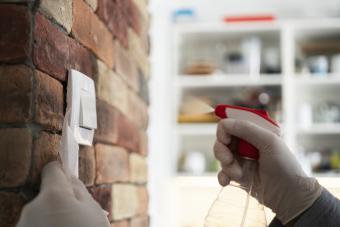
When it comes to cleaning interior brick in your home like around a fireplace, start simple. Start with a dish soap and vinegar solution. This option removes many spots and stains and is not likely to damage the surface of the brick.
-
Use a vacuum cleaner with an attachment to remove as much loose dirt as possible.
-
In a spray bottle, mix equal parts vinegar and water. Add a few drops of Dawn. Shake well.
-
Spray the bricks and let it sit for 5 - 10 minutes.
-
Use the scrub brush to scrub any grime away.
-
For exceptionally grimy areas, mix baking soda with enough Dawn to make a thick paste.
-
Use your hands or a cloth to apply the paste to the brick.
-
Let the paste sit for about 10 minutes.
-
Scrub with the bristle brush, working it heavily over the soiled areas.
-
Rinse and repeat the process as necessary.
How to Clean Exterior Brick
Interior brick and exterior brick take different cleaning methods. Why? Because exterior brick is exposed to more elements and might have growth such as mold.

Supplies Needed
-
Bleach or hydrogen peroxide
-
Naphtha soap
-
Powdered pumice
-
Ammonia
-
Paintbrush
-
Bucket
-
Safety gear (gloves, goggles, etc.)
-
Hose or power washer
-
Broom
-
Stiff bristle brush
-
Spray bottle
-
Dish soap
How to Clean Exterior Bricks With Ammonia
If your patio brick is not heavily soiled but has stains or discoloration, the following cleaner may be used to remove them:
-
Use a broom to clean off the bricks.
-
Pre-soak the bricks with a hose.
-
Put on safety gear.
-
Mix four ounces of naphtha soap (shaved) in one quart of hot water in a bucket.
-
Dissolve soap.
-
Let mixture cool
-
Add ½ pound of powdered pumice.
-
Add ½ cup ammonia.
-
Apply the mixture with a paintbrush and let sit for one hour.
-
Remove the dried mixture with a stiff-bristle brush and rinse.
-
Clean one more time with a sponge and mixture of warm water with a little dishwashing soap.
-
Rinse with warm water.
How to Clean a Brick Wall With Bleach
If you don't have the supplies for the ammonia mixture, you can also use bleach or hydrogen peroxide to remove mold, mildew, and stains.
-
Remove dirt and debris using the broom.
-
Put on safety gear.
-
Pour ½ cup of bleach or hydrogen peroxide in a spray bottle with 3 cups of water.
-
Use a hose or power washer to wet the entire wall.
-
Spray the entire wall with the mixture.
-
Allow it to sit overnight.
-
Wash the bleach off with a hose.
-
Use a mixture of dish soap and water to scrub down the entire wall with the bristle brush, removing any lingering debris.
-
Rinse and repeat as necessary.
It's best to test the solution on a corner of the surface before applying it elsewhere to avoid discoloration.
How to Clean Brick Pavers
Brick pavers make a popular choice for patios, pathways, and driveways. Regular foot traffic makes this material vulnerable to stains from oil and food products, as well as mold.

What You Need
-
Broom
-
Dish soap
-
Bucket
-
Hose/power washer
-
Bleach
-
Commercial cleaner
How to Clean a Brick Walkway
If your brick pavers aren't heavily soiled, it doesn't take a lot of work to keep them clean.
-
Sweep them thoroughly.
-
Wash with a solution of warm water and dish soap.
-
Apply with a broom and concentrate on spots that need a little extra attention.
-
Rinse with the hose and let it dry and you're done.
How to Clean Brick Pavers With Power Washer
Power washing is usually an effective way to remove mold and many stains, but you have to be careful not to use pressure above 3,000 psi. Higher pressure not only can damage the brick, but it can also wash away a good portion of the joint sand between the bricks.
-
To powerwash, follow your manufacturer's settings for the machine.
-
Spray the brick pavers in long consistent strokes to remove grime and debris.
How to Clean Oil Stains on Brick Pavers
If you need to remove stains caused by oil or grease from brick, consider using a commercial cleaner for this purpose. Another option is to hire a professional cleaning company to deal with it.
How to Remove Mold From Brick Pavers
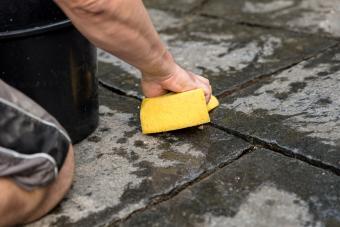
Just like with a brick wall, mold can be a problem for brick pavers. However, don't let mold get you down. Instead, reach for the bleach.
-
Sweep off the brick pavers.
-
Mix one part bleach to ten parts of water.
-
Wet the brick.
-
Apply the bleach solution with a stiff-bristle brush and scrub.
Make sure to test the bleach solution on a discrete area first to avoid discoloration.
How to Clean Paint Off Brick
Whether it's your interior or exterior brick, sometimes you get a bit too overzealous with your painting renovations. Therefore, you need to know how to remove paint off brick fast.
Necessary Tools
-
Power washer
-
Scraper/putty knife
-
Mineral spirits
-
Bristle brush
-
Cloth
Getting Paint off Brick
With your tools at the ready, it's time to get to work. However, if you are working on getting paint off brick in your home, skip the power washer step!
-
Use a scraper to try to pry the paint off the brick. This can be very effective for a small area. Use care when scraping as to not harm the brick or mortar.
-
Another method for outdoor brick is to bust out the pressure washer. This can be very effective in removing unnecessary paint on outdoor brick.
-
For any remaining or stubborn paint, use a cloth to soak the paint in mineral spirits.
-
Allow it to sit for a minute or two.
-
Use the bristle brush to scrub the paint away.
-
Rinse the area.
General Tips for Cleaning Brick
Brick is a very common type of construction material that will last for many years if well maintained. Following these tips carefully can help to preserve it.
-
Before applying any cleaning products to a brick surface, make sure the surface is saturated with liquid. Failing to do so means the brick will absorb the cleaning solution, which may result in the appearance of a green stain or a white scum.
-
Be sure to read the instructions on the package of any cleaning solution being used for brick and follow them carefully. A solution with a high acidic content may bleach the surface or damage the mortar holding the brick in place.
-
Check the forecast before deciding to clean an exterior brick surface. The temperature should be at least 50 degrees Fahrenheit (10 degrees Celsius).
-
Cleaning solutions used for brick may damage the surrounding trim. Cover any nearby surfaces made of metal, cast stone, or limestone before application.
Maintain Brick Surfaces Properly
Homeowners who want to ensure that the brick surfaces on their property last for years need to care for this material properly. Learning the techniques for cleaning brick can help you reach this goal.